The Risks of Winning at Poker: Hidden Dangers of Success
Explore the psychological and financial risks that come with winning at poker. Learn how success can breed complacency, lifestyle inflation, and dangerous overconfidence.

The Risks of Winning at Poker: Hidden Dangers of Success
While most poker content focuses on overcoming losses and dealing with downswings, an often-overlooked topic is the unique set of risks that come with winning. Success at the poker table brings its own challenges that can be just as dangerous—if not more so—than the struggles of losing players. Understanding these risks is crucial for long-term sustainability and personal well-being.
The Paradox of Poker Success
Winning at poker creates a paradoxical situation: the very success that validates your skills can become the catalyst for your downfall. Let's examine why winning can be dangerous and how to protect yourself from success-related pitfalls.
The Success Risk Matrix
| Risk Category | Likelihood | Potential Impact | Recovery Difficulty |
|---|---|---|---|
| Overconfidence | Very High (85%+) | Severe | Difficult |
| Lifestyle Inflation | High (70%+) | Severe | Very Difficult |
| Game Selection Decline | Medium (50%+) | Moderate | Moderate |
| Study Neglect | High (65%+) | Moderate-Severe | Moderate |
| Social Isolation | Medium (45%+) | Moderate | Difficult |
| Tax/Legal Issues | Low-Medium (30%+) | Catastrophic | Very Difficult |
Risk #1: Overconfidence and the Winner's Curse
The Psychology of Overconfidence
Winning breeds confidence, but unchecked confidence becomes dangerous overconfidence. This is one of the most insidious risks because it feels like a strength.
The Overconfidence Bias in Numbers:
Research shows that after 10 consecutive winning sessions:
- 78% of players overestimate their skill edge
- 64% underestimate opponent strength
- 52% move up in stakes prematurely
Mathematical Example of Overconfidence Costs:
Let's say you're a winning $2/$5 player with a 6bb/100 win rate:
- Expected hourly: $30/hour
- Annual earnings (1000 hours): $30,000
After a hot streak, you move to $5/$10 where you're only a break-even player:
- Expected hourly: $0/hour
- Annual earnings loss: -$30,000
- Total risk exposure: $60,000 swing
Warning Signs of Overconfidence
Self-Assessment Checklist:
- Thinking you're "running bad" when losing at higher stakes
- Dismissing opponent plays as "lucky" or "stupid"
- Reduced hand history review frequency
- Playing without notes or HUD data
- Feeling invincible or "in the zone" constantly
- Taking shots without proper bankroll
- Ignoring advice from other winning players
The Moving Up Trap
Many players move up in stakes too quickly after success. Consider this progression:
| Stakes | Bankroll Requirement | Your Bankroll | Bankroll Coverage |
|---|---|---|---|
| $1/$2 | $4,000 | $15,000 | 3.75x (Safe) |
| $2/$5 | $10,000 | $15,000 | 1.5x (Risky) |
| $5/$10 | $20,000 | $15,000 | 0.75x (Reckless) |
Moving up prematurely is a direct path to busting your bankroll, no matter how good your recent results have been. Learn more about proper progression in our guide on when to move up in stakes.
Risk #2: Lifestyle Inflation and Financial Mismanagement
The Income Trap
One of the most dangerous aspects of poker success is lifestyle inflation—increasing your spending to match your winnings without accounting for variance.
Real-World Example:
Month 1-3: Win $15,000
- New car payment: $800/month
- Upgraded apartment: +$500/month
- Entertainment increase: +$300/month
- Total new expenses: $1,600/month
Month 4-6: Break even or small losses
- Problem: You're now $9,600 behind just to maintain lifestyle
The Variance Reality Check
Poker income is fundamentally unstable. Even winning players experience significant fluctuations:
Expected Earnings Distribution (1 Year):
| Scenario | Probability | Actual Earnings |
|---|---|---|
| Best Case | 5% | $120,000+ |
| Above Average | 20% | $60,000-$120,000 |
| Expected | 50% | $30,000-$60,000 |
| Below Expected | 20% | $10,000-$30,000 |
| Worst Case | 5% | <$10,000 or loss |
Despite a healthy win rate, your income could be anywhere in this range!
The Bankroll vs. Life Roll Mistake
Many winning players confuse their poker bankroll with available funds for living expenses.
Critical Formula:
Total Winnings = Poker Bankroll + Emergency Fund + Living Expenses + Taxes
Example Breakdown:
- Annual poker winnings: $50,000
- Poker bankroll (untouchable): $25,000 (50%)
- Emergency fund: $10,000 (20%)
- Taxes (self-employed): $12,500 (25%)
- Available for living: $2,500 (5%)
Many winners mistakenly spend $30,000-40,000 on lifestyle, severely underfunding their actual playing and emergency reserves.
Creating a Sustainable Financial System
Implement a strict withdrawal system as discussed in our poker cashout system guide:
The 50/30/20 Rule for Poker Winners:
- 50% stays in poker bankroll
- 30% for living expenses (monthly budget)
- 20% for taxes and long-term savings
Risk #3: Game Selection Complacency
The Comfort Zone Danger
Winning players often develop comfortable routines, playing the same games against the same opponents. This comfort becomes complacency.
Game Selection Comparison:
| Period | Action | Win Rate | Hourly |
|---|---|---|---|
| Month 1-6 | Hunted best games | 8bb/100 | $40/hr |
| Month 7-12 | Regular games | 6bb/100 | $30/hr |
| Month 13-18 | Comfortable games | 4bb/100 | $20/hr |
| Month 19+ | Same old games | 2bb/100 | $10/hr |
Annual Impact:
- Year 1: $40,000
- Year 2: $20,000
- Loss: $20,000 (50% decline)
The Skill Stagnation Effect
When you're winning without effort, you stop improving. Meanwhile:
- Opponents study your game
- New players bring fresh strategies
- The game evolves around you
- Your edge gradually disappears
Mathematical Decay Model:
If you stop studying while opponents improve 1% per month:
- Month 0: 5bb/100 edge
- Month 6: 2.5bb/100 edge
- Month 12: 0bb/100 (break even)
- Month 18: -2.5bb/100 (losing player)
Risk #4: Social and Lifestyle Risks
Professional Isolation
Poker success can lead to social isolation, especially for those who quit traditional jobs to play full-time.
Social Impact Assessment:
| Factor | Before Success | After Success | Impact |
|---|---|---|---|
| Work colleagues | Regular contact | None | -80% |
| Fixed schedule | Yes | No | -100% |
| Non-poker friends | Weekly | Monthly | -70% |
| Family time | Structured | Erratic | -40% |
The Irregular Schedule Problem
Unlike traditional careers, poker has no fixed hours. This freedom becomes a curse:
- Sleep schedule disruption
- Reduced accountability
- Relationship strain
- Health neglect
Health Correlation Data:
Studies of professional poker players show:
- 68% report disrupted sleep patterns
- 54% experience weight gain
- 47% report relationship strain
- 61% have reduced physical activity
Relationship Pressure
Poker winnings can strain relationships in unexpected ways:
Common Relationship Conflicts:
- Explaining variance to partners unfamiliar with poker
- Irregular income causing financial anxiety
- Unusual working hours (late nights, weekends)
- Perceived "gambling" stigma
- Time investment requirements
Risk #5: Tax and Legal Complications
The Tax Trap
Many poker players underestimate or ignore tax obligations, creating catastrophic financial situations.
Tax Obligation Example:
Annual poker winnings: $80,000
- Federal tax (24% bracket): $19,200
- State tax (5%): $4,000
- Self-employment tax (15.3%): $12,240
- Total tax obligation: $35,440 (44.3% of winnings!)
If you spent $60,000 on lifestyle:
- Remaining funds: $20,000
- Tax owed: $35,440
- Deficit: -$15,440 (plus penalties and interest)
Record-Keeping Requirements
Winners must maintain meticulous records:
- Session logs with locations and stakes
- Win/loss documentation
- Travel expenses (if applicable)
- Equipment and software costs
- Educational expenses
Consequences of Poor Records:
- Unable to prove losses for tax purposes
- Audit vulnerability
- Maximum tax liability assessment
- Potential legal penalties
Risk #6: The Sustainability Illusion
The "This Will Last Forever" Fallacy
Many winners assume their current success will continue indefinitely. The reality is harsher:
Poker Career Longevity Statistics:
| Career Stage | Players Remaining | Median Duration |
|---|---|---|
| Start | 100% | - |
| 1 Year | 45% | - |
| 3 Years | 20% | - |
| 5 Years | 8% | 4.2 years |
| 10 Years | 3% | 6.8 years |
Most poker careers are shorter than players expect when they're in their winning phase.
Planning for Poker Career Endings
Sustainable Winner's Strategy:
-
Skill Development Outside Poker
- Maintain or develop marketable skills
- Network in non-poker industries
- Consider part-time work or education
-
Financial Preparation
- Aggressive retirement savings (20%+ of winnings)
- Diversified investments
- Real estate or business ventures
- 12-month emergency fund minimum
-
Exit Strategy Planning
- Define clear success metrics
- Set financial goals for poker exit
- Develop transition timeline
- Create backup career plan
Risk #7: Study and Improvement Neglect
The Winning Without Learning Trap
Success can make you lazy. Why study when you're already winning?
The Competition Improvement Rate:
While you're winning and not studying:
- Losing players quit (removing easy money)
- Remaining players study and improve
- New players enter with modern training
- Your edge erodes invisibly
Competitive Decay Timeline:
| Year | Your Skill Level | Field Average | Your Edge |
|---|---|---|---|
| 2020 | 100 | 80 | +20 |
| 2021 | 100 | 85 | +15 |
| 2022 | 100 | 90 | +10 |
| 2023 | 100 | 95 | +5 |
| 2024 | 100 | 100 | 0 |
Without continuous improvement, you become average within 3-5 years.
Protecting Yourself from Success
The Winner's Risk Management Checklist
Monthly Reviews:
- Bankroll properly allocated (50% rule maintained)
- Tax reserves set aside (25-35% of profits)
- Study time maintained (minimum 5 hours/week)
- Game selection actively optimized
- Win rate tracking and analysis
- Lifestyle expenses within sustainable limits
- Social connections maintained
- Physical health metrics stable
Quarterly Assessments:
- Professional consultation (accountant/financial advisor)
- Skill level evaluation vs. competition
- Long-term financial goals progress
- Alternative career options explored
- Relationship health check
- Mental health assessment
Building Sustainable Success
The Antifragile Poker Career:
-
Financial Resilience
- Conservative bankroll management
- Aggressive savings rate (30%+)
- Diversified income sources
- Professional tax planning
-
Skill Sustainability
- Consistent study schedule
- Coaching and training investments
- Regular game selection optimization
- Adaptation to evolving strategies
-
Personal Well-being
- Structured daily routines
- Regular exercise and health monitoring
- Social connection maintenance
- Work-life balance boundaries
-
Risk Awareness
- Regular variance expectation reviews
- Downswing preparedness planning
- Exit strategy development
- Reality-check mechanisms
For more insights on managing poker success alongside life balance, see our article on keeping peace while playing poker.
External Resources
Deepen your understanding of success management with these resources:
- Behavioral Economics - Understanding Decision Biases - Research on overconfidence and cognitive biases
- WSOP Player Stories - Real experiences from professional players about the ups and downs of poker careers
- PokerNews Career Advice - Professional insights on managing poker as a career
Conclusion
The risks of winning at poker are real, substantial, and often invisible until it's too late. Overconfidence, lifestyle inflation, game selection complacency, social isolation, tax problems, and sustainability illusions destroy more poker careers than bad beats ever will.
Ironically, understanding the risks of losing at poker is easier because losses are obvious and painful. The dangers of winning are subtle and seductive, making them far more treacherous.
True poker success isn't measured by short-term winnings—it's defined by sustainable careers, financial security, personal well-being, and the wisdom to know that winning creates its own unique challenges. Recognize these risks early, implement protective systems, and build a poker career that lasts beyond the inevitable variance swings.
The difference between a flash-in-the-pan winner and a long-term professional is simple: one enjoys their success without protecting it, while the other treats every win as both a validation and a warning. Which will you be?
⚠️ Responsible Gambling Reminder
While understanding poker strategy and mathematics can improve your game, always gamble responsibly. Set limits, take breaks, and remember that poker involves both skill and chance. For support, visit www.problemgambling.ie.
Related Articles
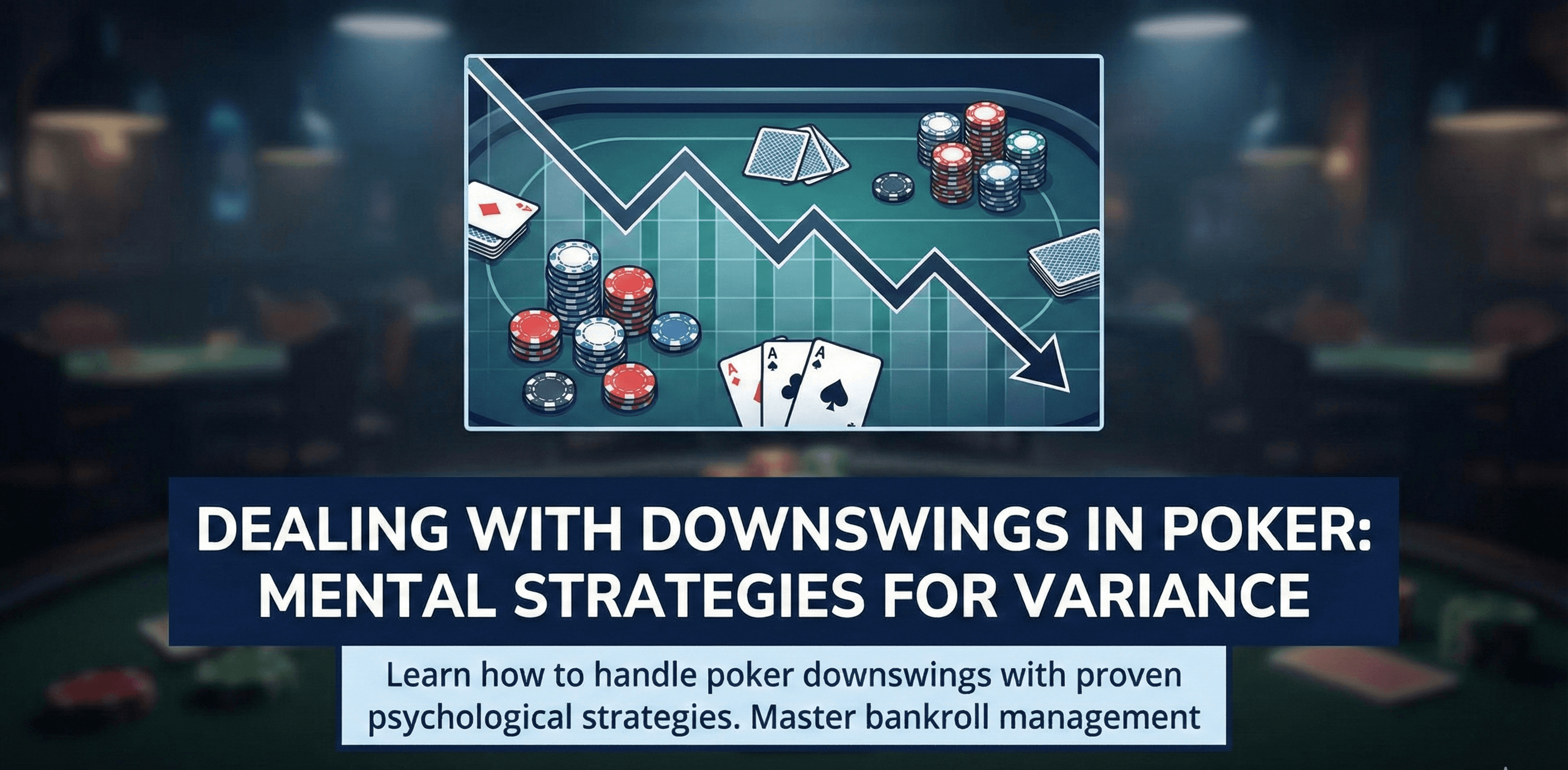
Dealing with Downswings in Poker: Mental Strategies for Variance
Learn how to handle poker downswings with proven psychological strategies. Master bankroll management, emotional control, and mental resilience during losing streaks.
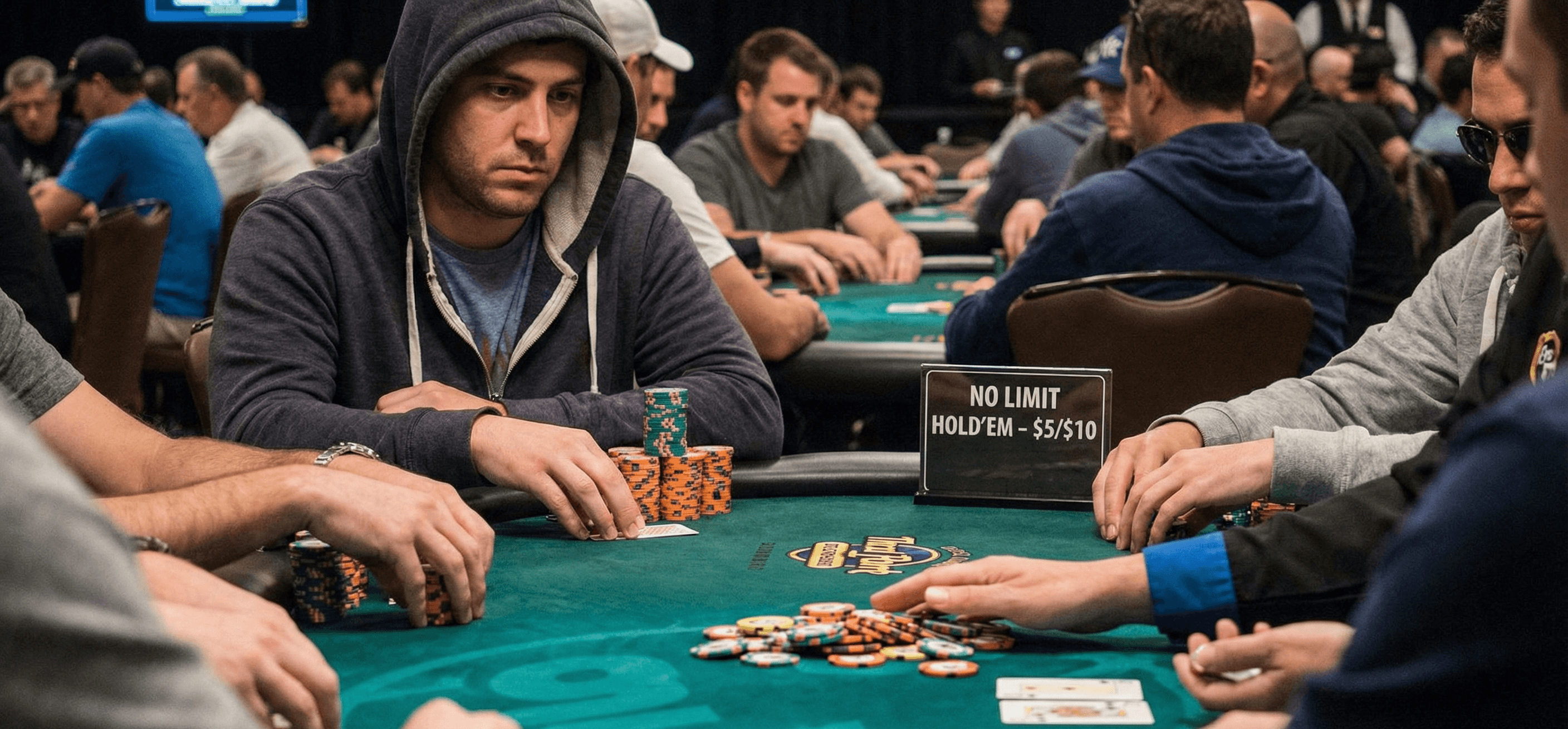
When to Move Up in Stakes: A Data-Driven Approach to Climbing the Poker Ladder
Master the art of moving up in poker stakes. Learn bankroll requirements, skill assessment metrics, psychological readiness indicators, and strategic timing for successful stake transitions.
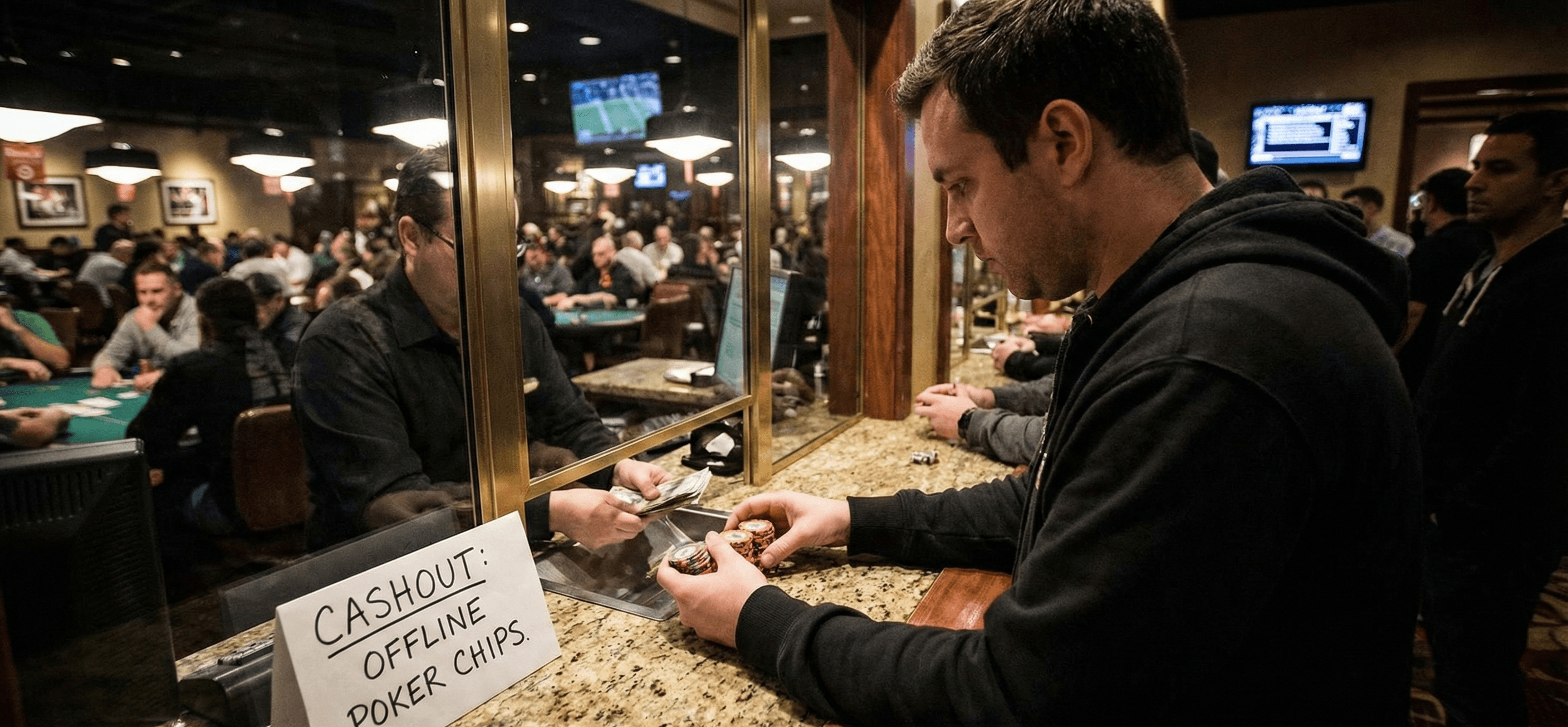
The Poker Cashout System: Building Financial Discipline for Long-Term Success
Master bankroll management through strategic cashout systems. Learn percentage-based withdrawals, milestone rewards, and psychological strategies for sustainable poker profits.